 950 Google Reviews
Prodigy Garbage Disposal Installation Service
Garbage Disposal Installation | Quiet, Durable & Built for Everyday Use
We install powerful, energy-efficient garbage disposals that grind fast, drain clean, and resist jams. Our pros ensure safe electrical connections, leak-free seals, and proper fit for any kitchen sink—residential or commercial.
Prodigy Garbage Disposal Repair Service
Garbage Disposal Repair | Eliminate Jams, Leaks & Power Issues Fast
From strange noises to full system failure, we fix all garbage disposal issues quickly and reliably. Whether it’s a seized motor, stuck blades, or a bad connection, our plumbers restore smooth operation and prevent further plumbing damage.
Need Help with Your Garbage Disposal? Contact us Now
How Can We Help You Today?
Need Help with Your Garbage Disposal? We’ll Handle the Rest.
Whether your disposal is leaking, jammed, or completely dead, Prodigy Plumbing & HVAC is here to help. Select your issue so our team can provide fast, accurate service
- My garbage disposal is leaking
- It’s making loud or strange noises
- It won’t turn on at all
- It smells bad or drains slowly
- Something is stuck in the unit
- I need a new disposal installed
Need Help with Your Garbage Disposal? Contact us Now
How Can We Help You Today?
Need Help with Your Garbage Disposal? We’ll Handle the Rest.
Whether your disposal is leaking, jammed, or completely dead, Prodigy Plumbing & HVAC is here to help. Select your issue so our team can provide fast, accurate service:
- My garbage disposal is leaking
- It’s making loud or strange noises
- It won’t turn on at all
- It smells bad or drains slowly
- Something is stuck in the unit
- I need a new disposal installed
Signs You Need Garbage Disposal Service
1. Loud Grinding or Rattling: Unusual sounds usually mean a foreign object is lodged or internal parts are worn out.
2. Persistent Leaks: Leaking from the top, sides, or bottom? It’s likely a failed seal or loose mount.
3. Foul Odors That Won’t Go Away: Built-up food waste, grease, or biofilm inside the chamber causes stubborn smells.
4. Frequent Jams or Motor Stoppage: If it keeps jamming, the motor, blades, or flywheel may be damaged or failing.
5. Won’t Turn On: This could point to a faulty switch, blown circuit, or burned-out motor our experts will identify and fix it fast.
01
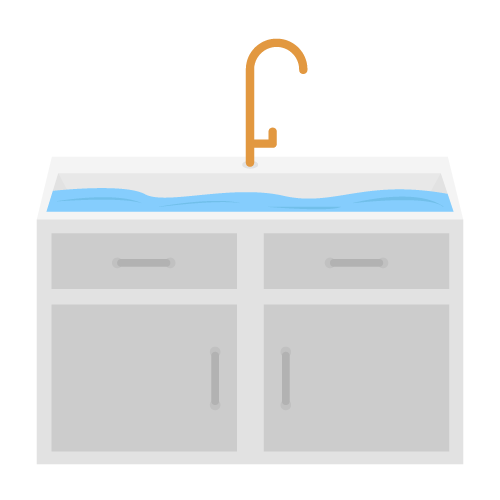
We clear stuck blades, fix jammed motors, and seal leaks around the unit to restore full function. → LEARN MORE
02

Major backups or under-sink flooding? Our team offers same-day emergency repairs to prevent damage. → LEARN MORE
03
We install high-performance disposals with anti-jam features, stainless steel blades, and noise insulation. → LEARN MORE
04
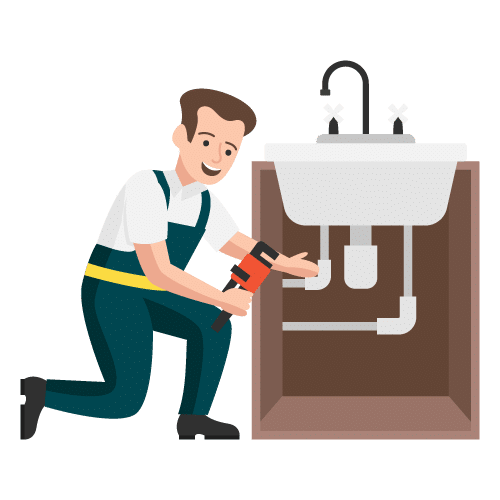
We properly align and secure the sink flange and mounting assembly to prevent leaks and vibration. → LEARN MORE
05

After install, we connect the unit to your plumbing and test for leaks, performance, and proper drainage. → LEARN MORE
Garbage Disposal Repair & Installation in Long Beach, Los Angeles County & Orange County
Is your disposal jammed, leaking, or making strange noises? Prodigy Plumbing & HVAC offers expert garbage disposal repair & Installation across Long Beach and nearby areas. We fix everything from stuck blades to electrical issues fast, clean, and to code.
Garbage Disposal Maintenance Tips
Proper care helps extend your unit’s life and prevents unexpected breakdowns. Follow these expert maintenance tips from Prodigy Plumbing & HVAC:
1.Run Cold Water: Always use cold water before and after running your disposal to solidify grease and flush food waste.
2.Avoid Fibrous Foods: Skip celery, corn husks, and peels they wrap around blades and cause jams.
3. Clean It Regularly: Use ice and citrus peels to clean blades. A mix of baking soda and vinegar helps neutralize odors.
4. Never Grind Hard Objects: Avoid bones, pits, and utensils to protect blades and the motor.
5. Use It Often: Running your disposal regularly prevents rust and keeps internal parts moving freely.
Frequently Asked Questions (FAQs)
What are common signs that my garbage disposal needs repair or replacement?
Common indicators include loud noises, leaks, unpleasant odors, and slow drainage. If your disposal is making unusual sounds, it might have something disrupting the blade mechanism. Leaks often occur at the sink flange or around the dishwasher connection, while foul odors usually signal food particles stuck inside. Slow drainage can indicate a clog in the system.
How do I maintain my garbage disposal to avoid frequent repairs?
Proper maintenance is key. Always run cold water while using your disposal to solidify any grease or oil, making it easier to grind. Regularly clean the blades with ice cubes and citrus peels to prevent buildup and odors. Avoid disposing of fibrous foods like celery and potato peels, as they can cause jams.
Can I install a garbage disposal myself, or should I hire a professional?
While some homeowners might attempt DIY installations, it’s generally recommended to hire a professional. Installation involves both plumbing and electrical work, which can be dangerous if not done correctly. Professionals ensure proper setup and avoid issues like leaks or improper connections.
What should I do if my garbage disposal is jammed?
First, turn off the power to the unit. Use a hex wrench in the flywheel turning hole to free the jammed blades. If the jam persists, avoid putting your hands inside and contact a professional for safe and efficient repair.
Why is my garbage disposal leaking, and how can I fix it?
Leaks can occur from the top, at the sink flange, or from the bottom, indicating a failed seal or a crack. Tightening the mounting bolts or replacing old plumber’s putty can fix top leaks. Bottom leaks often require a complete unit replacement. For any leaks, it’s best to consult a professional to ensure proper repair.
How can I eliminate unpleasant odors from my garbage disposal?
To eliminate foul odors, grind ice cubes and citrus peels to clean the blades. Baking soda and vinegar can also help neutralize smells. Regular maintenance and avoiding the disposal of greasy or fibrous foods will prevent odors from developing.
Is it safe to use chemical drain cleaners in my garbage disposal?
It’s generally not recommended to use chemical drain cleaners in your garbage disposal as they can be corrosive to the unit and harmful to your plumbing. Instead, use natural cleaning methods like baking soda and vinegar or consult a professional for safer alternatives.
How do I choose the right garbage disposal for my kitchen?
Consider factors like the size and space available under your sink, the type of waste you generate, and the unit’s power and durability. Consulting with a professional can help you select a model that meets your needs and ensures long-term satisfaction.
What should I do if my garbage disposal smells like sewage?
A sewage smell usually indicates a leak or a clog in the drain line. Ensure the disposal is clean by running cold water and grinding ice cubes and citrus peels. If the smell persists, contact a professional to inspect and repair any leaks or blockages.
Can I use a garbage disposal if I have a septic system?
Yes, you can use a garbage disposal with a septic system, but it’s crucial to ensure the system is adequately sized and maintained. Consult with a professional to evaluate your septic system’s capacity to handle a garbage disposal before installation.